Find out about the project

About the project

As part of the Bribie Island Breakthrough Action Plan, Council is delivering a new seawall and drainage upgrades to protect the foreshore along Diamond Head at Golden Beach, between Lamerough Canal and the June Street boat ramp. These works respond to damage caused by storm surges, high tides, and coastal erosion associated with the Bribie Island breakthrough and recent severe weather events.

The project includes:

  • construction of a new seawall with upgraded stormwater infrastructure
  • sand renourishment along the foreshore
  • improved beach access, including new stairs and a multi‑use ramp.

Behind the new seawall, we're planning improvements to the foreshore area at Keith Hill Park, including relocating and enhancing park amenities such as pathways, seating, shelters and picnic facilities. These improvements aim to ensure the foreshore remains safe, accessible and enjoyable while being more resilient to future coastal hazards and climate change.

During the first phase of engagement, we invited the community to share their thoughts on these improvements and provide feedback. This feedback helped inform the development of a draft concept design.

We are now at phase 2, where the draft concept design for the Diamond Head foreshore area (Keith Hill Park) has been prepared in response to what we heard. In this phase of engagement, we ask the community to review the design and provide feedback on whether it reflects those earlier conversations, before the design is finalised.

What we heard ➡️ how we responded

Community feedback has played an important role in shaping the draft concept design for the Diamond Head foreshore area (Keith Hill Park). During the first phase of engagement, we invited the community to review artist impressions showing potential foreshore improvements. These included:

  • a wider, realigned coastal pathway
  • beach access points and linking paths
  • park furniture and shelters
  • shade trees and vegetation protection.

The themes below outline what we heard during the first phase of engagement and how those ideas have been incorporated into the draft concept design.

What we heard

  • strong support for more frequent beach access points along the foreshore
  • a clear need for inclusive access, including ramps that support people using mobility aids, prams, trolleys and equipment
  • access points should be easy to find, close to parking, and well connected to paths
  • interest in places to pause, rest and enjoy views along the foreshore.

How we responded

  • the draft concept design includes six new stair access points, three new beach ramps, and two new beach terraces
  • access points are spaced on average every 100–150 metres, providing frequent entry points
  • access locations are within approximately 50 metres of car parking areas, supporting accessibility
  • all access points connect directly to the widened coastal path via concrete paths
  • beach terraces create places to stop, rest and enjoy views of the Pumicestone Passage.

What we heard

  • loss of vegetation following recent storm events has reduced shade and comfort
  • strong support for more trees, particularly along walking routes, picnic areas and gathering spaces
  • shade is essential for year‑round use, especially during hotter months.

How we responded

  • for every tree removed, four new trees are proposed, resulting in a net increase in canopy cover over time
  • new tree planting is focused along the coastal path, near picnic areas and in gathering spaces
  • tree placement balances shade provision with maintaining important view corridors to the Pumicestone Passage
  • increased canopy improves thermal comfort and encourages longer stays in the park.

What we heard

  • the area is valued for its relaxed, open and coastal character
  • the community prefers familiar park elements to be retained rather than replaced where possible
  • new infrastructure should blend with the existing park environment, not dominate it.

How we responded

  • existing shelters, picnic settings and seating are proposed to be relocated and reused wherever possible
  • new structures are designed to complement the existing coastal style in form, colour and materials
  • repositioning of infrastructure improves function and resilience while retaining a familiar look and feel.

What we heard

  • strong support for protecting existing vegetation where possible
  • a desire to see habitat restored following storm damage
  • interest in landscaping that supports local wildlife and reflects the coastal environment.

How we responded

  • the design retains as much existing vegetation as possible
  • new planting uses locally endemic species to support habitat restoration
  • Council’s landscape, environmental and arborist teams will work together during and after construction to support long‑term ecological outcomes.

What we heard

  • recognition that flooding, erosion and storm impacts are increasing
  • support for infrastructure that is more durable, resilient and easier to maintain
  • preference for designs that reduce future disruption to the park.

How we responded

  • new and relocated park infrastructure is proposed to be raised above the 1‑in‑100‑year flood level
  • infrastructure is repositioned to reduce flood damage while improving access, views and usability
  • design decisions balance resilience with community comfort and amenity.

What we heard

  • the coastal path is heavily used by a wide range of people, including walkers, cyclists, runners and people using mobility aids
  • concerns about conflict between users and limited space on the existing path
  • the path should feel safe, comfortable and easy to use for people of all ages and abilities.

How we responded

  • the coastal path is proposed to be widened to 3 metres
  • the wider path provides more space for people to safely share the path
  • improved alignment reduces pinch points while protecting significant trees where possible
  • clear connections improve legibility and movement throughout the park.

What we heard

  • picnic areas and shelters are well used and important for social connection
  • access between barbecues, seating, parking and the foreshore needs to be improved
  • gathering spaces should feel comfortable, connected and usable for different group sizes.

How we responded

  • picnic areas and shelters are relocated to higher, more resilient locations
  • better path connections link picnic areas, barbecues, car parks and beach access points
  • improved layout supports informal gatherings, family use and longer stays.

It is important to note that the draft concept design does not rely on site‑specific feedback alone. It has also been guided by broader community values identified through earlier engagement, undertaken as part of the Coastal Hazard Adaptation Precinct Planning investigations at Golden Beach and Caloundra (Bulcock Beach). This engagement process explored how coastal places can adapt to changing conditions while continuing to reflect the character, values and everyday use of these areas.

These values have been carried forward into the design for the Diamond Head foreshore area (Keith Hill Park) and underpin how the area is intended to function now and into the future, alongside site‑specific feedback and technical requirements.

Key community values identified for Golden Beach and Caloundra (Bulcock Beach)

Contributes to your health and wellbeing
Existence of nature and natural features
Socialising and community
Appreciating natural features

What we're asking now

We’ve prepared a draft concept design for the Diamond Head foreshore area (Keith Hill Park) based on earlier community feedback. In this phase we invite the community to review the draft concept design and share whether it reflects what you told us, before the design is finalised.

Community engagement is open from Monday 8 June to Friday 3 July at 5pm.

  • How to have your say

    We’re inviting you to:

    • review the draft concept design for the Diamond Head foreshore area (Keith Hill Park)
    • share your views through the quick poll
    • let us know what works well and whether there are any issues or concerns that should be considered before the design is finalised.

    The quick poll only takes a few minutes to complete.


  • What you can influence

    The draft concept design combines previous feedback with safety, engineering, environmental and flood‑resilience requirements. It is now largely resolved within these constraints. However, input from this phase will:

    • help us check whether the overall design reflects what the community told us
    • assist to identify any access, usability or safety issues that weren't identified.

    Feedback may inform minor refinements where feasible, provided they can be accommodated within project constraints.

  • What's not changing

    Some elements of the project are already determined and not open to change during this phase of engagement. These include:

    • the need for the seawall, its alignment and design
    • key engineering, safety, environmental and flood‑resilience requirements
    • decisions required to ensure the foreshore is protected from erosion, inundation and future storm impacts
    • the overall scope of the foreshore works.

    These elements are necessary to ensure the area is safe, resilient and protected from future coastal impacts.

Next steps

All feedback received will be reviewed and analysed by the project design team and considered alongside technical, environmental, safety and budget requirements. Where possible, community feedback will be used to refine the draft concept design.

A summary showing what we heard, what changed, and what couldn’t be included will be shared once this phase of engagement is complete. We will share the final concept design with the community once the design is ready.

Timeline

  • Timeline item 1 - complete

    Community engagement - phase 1: Nov - Dec 2025

    We invited the community to review artist impressions of the foreshore improvements and share their thoughts.

  • Timeline item 2 - complete

    Closing the loop: Mar 2026

    We provided an update to the community on the engagement outcomes and next steps for the project.

  • Timeline item 3 - complete

    Develop draft landscape plan: Jan - Apr 2026

    We developed a draft landscape plan for the foreshore area based on feedback from the community.

  • Timeline item 4 - active

    Community engagement - phase 2: June 2026

    We will present the draft landscape plan to the community for further feedback.

  • Timeline item 5 - incomplete

    Final design: Mid-2026

    The landscape plan is finalised and shared with the community.

  • Timeline item 6 - incomplete

    Construction: Late 2026

    Improvement works on the foreshore area behind the seawall will begin.

Want to know more?

Contact us

If you have questions or want to learn more about the project, contact us below:

Contact Information
Name Coastal Lakes and Wetlands team
Phone 5475 7272
Email CoastalLakesandWetlands@sunshinecoast.qld.gov.au

Review the draft concept design

The draft concept design shows how the Diamond Head foreshore area (Keith Hill Park) is proposed to function following construction of the seawall. The tools below are designed to help you understand where changes are proposed and what the space could look like once works are complete, before you provide feedback.

Explore what’s proposed

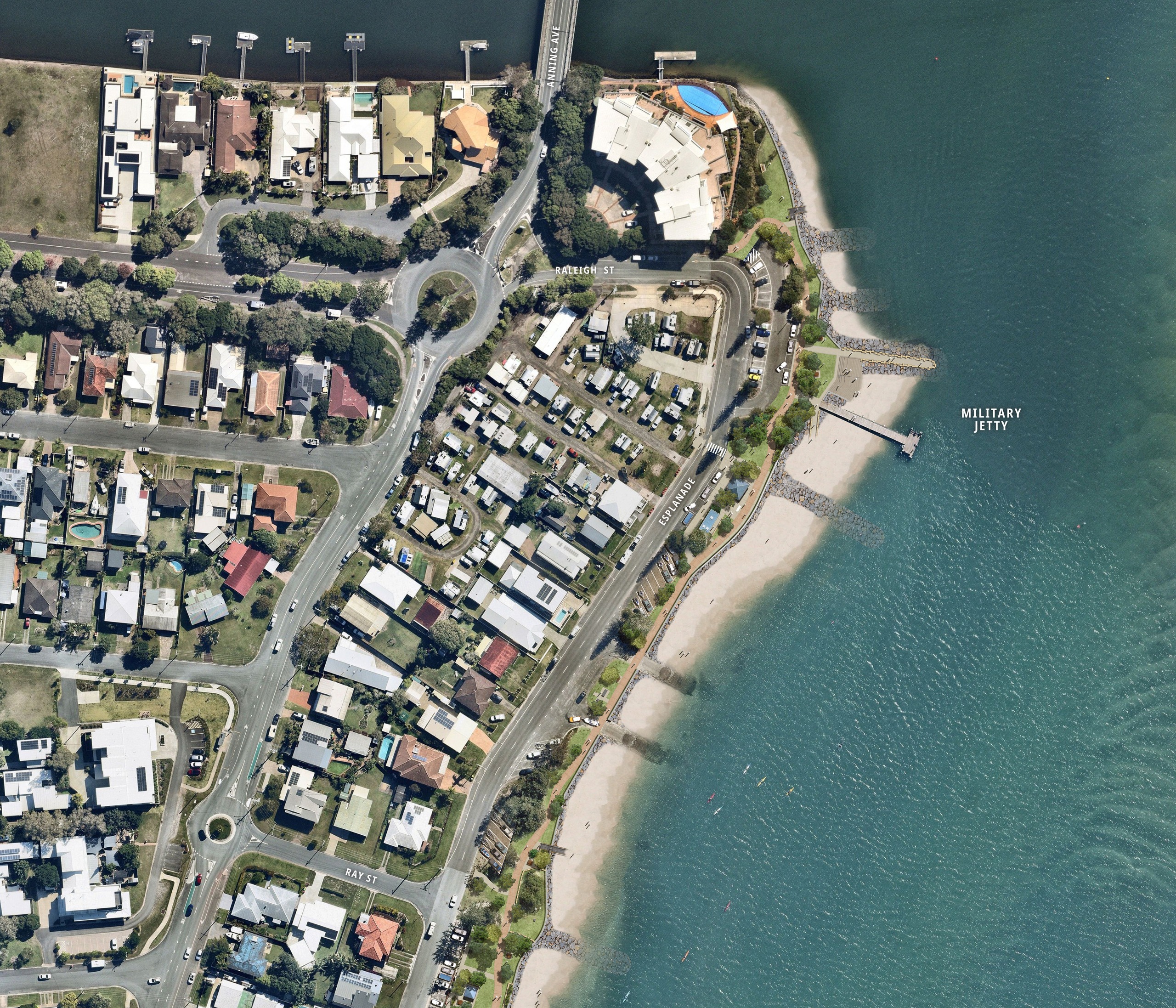
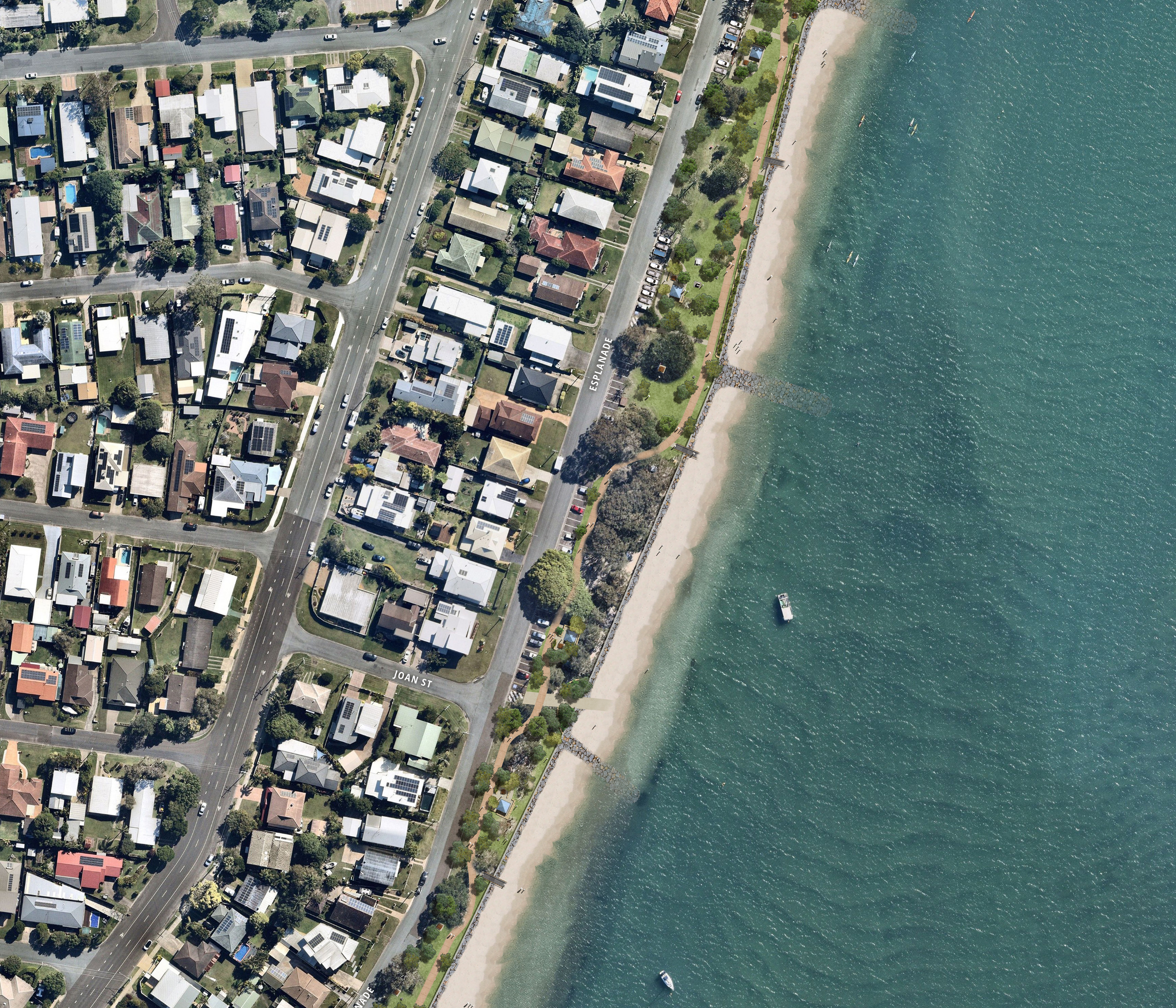
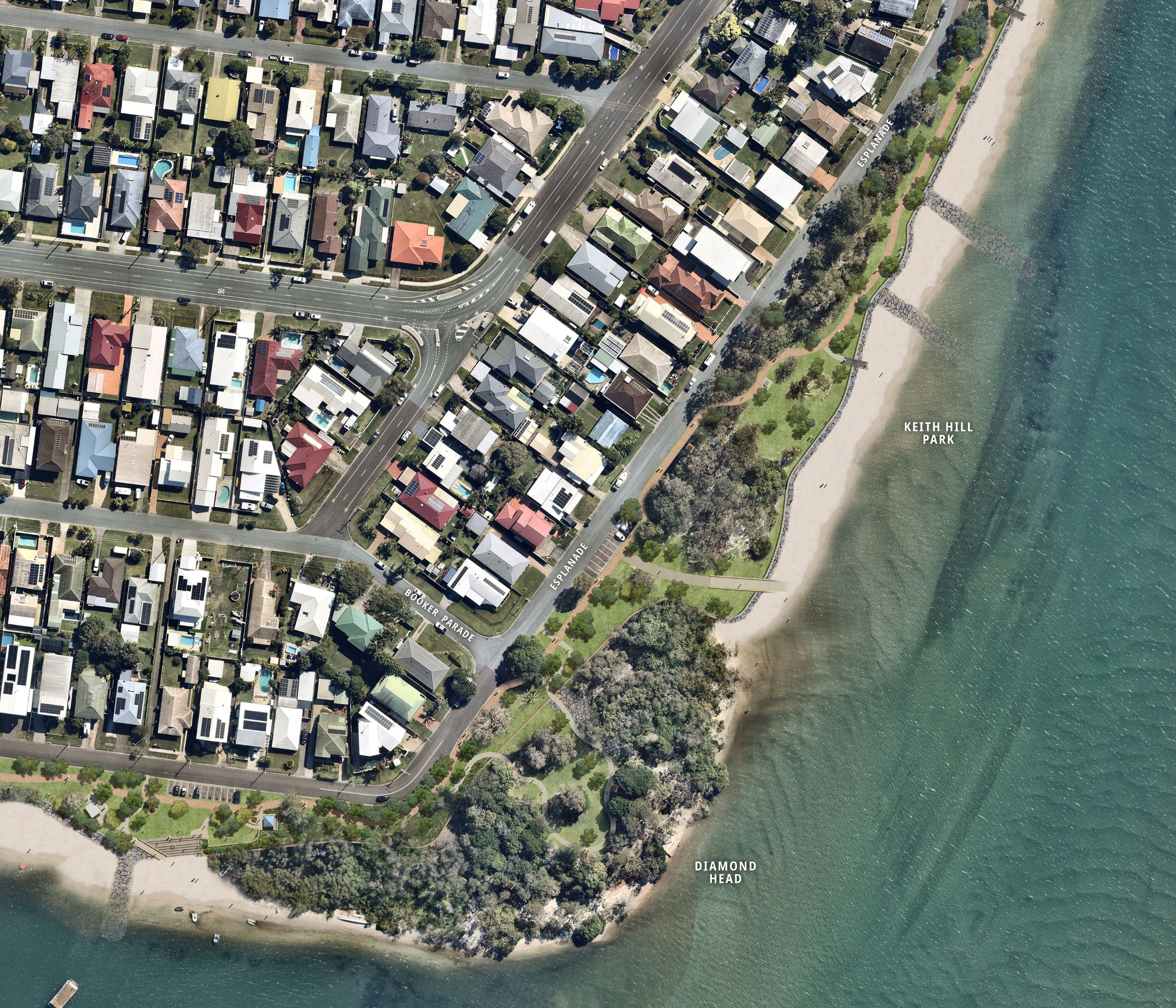
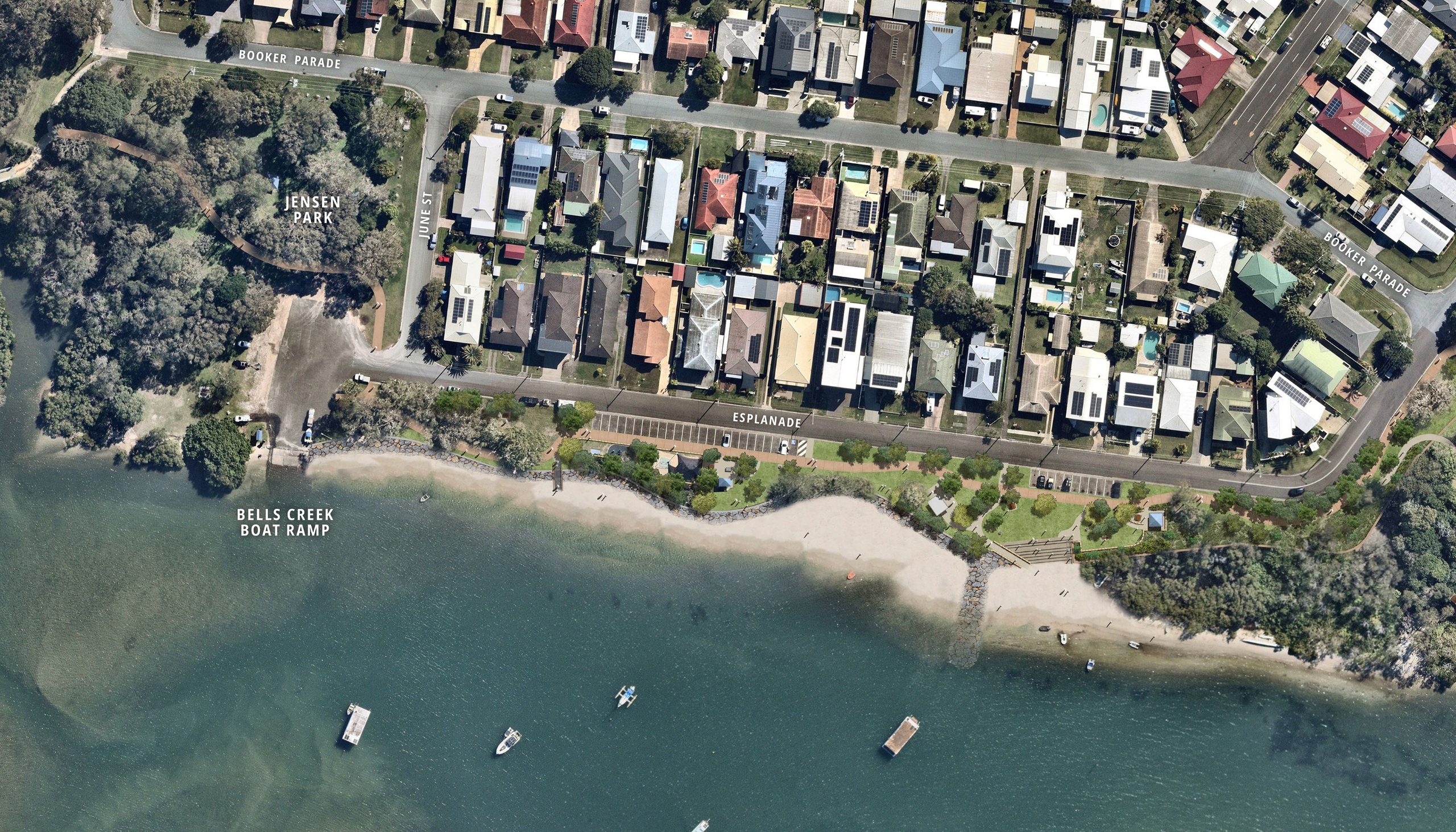
Use the interactive maps below to explore key features of the draft concept design. Click on the markers to see where new or relocated elements are proposed, such as beach access points, paths and picnic areas. Given the size of the site, the design has been divided into four sections to make it easier to explore.

North view

This view is from Lamerough Canal to Ray Street.

Middle view

This view is from Ray Street to Joan Street.

South view

This view is from Joan Street to Diamond Head.

Bells Creek view

This view is from Diamond Head to Bells Creek boat ramp.

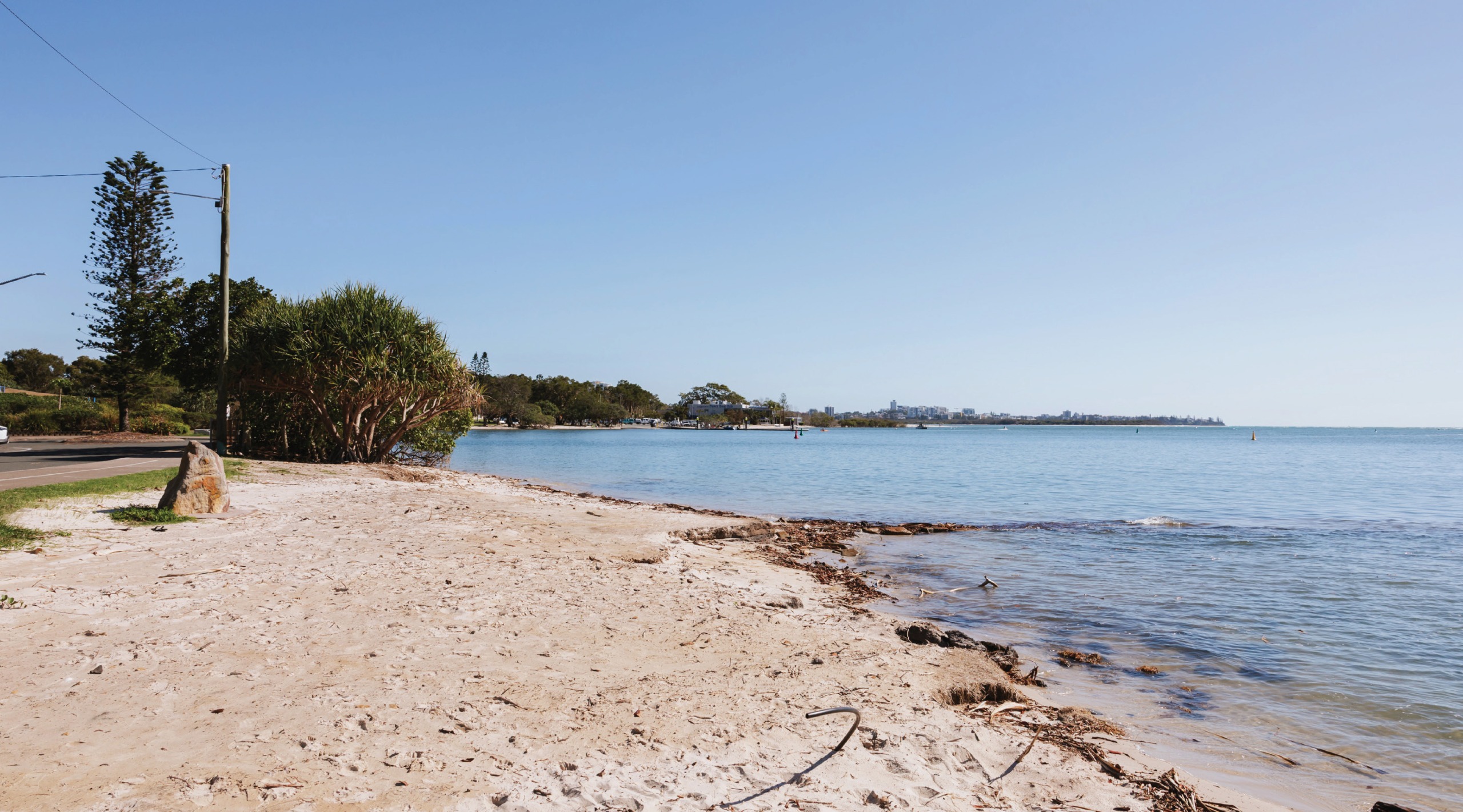
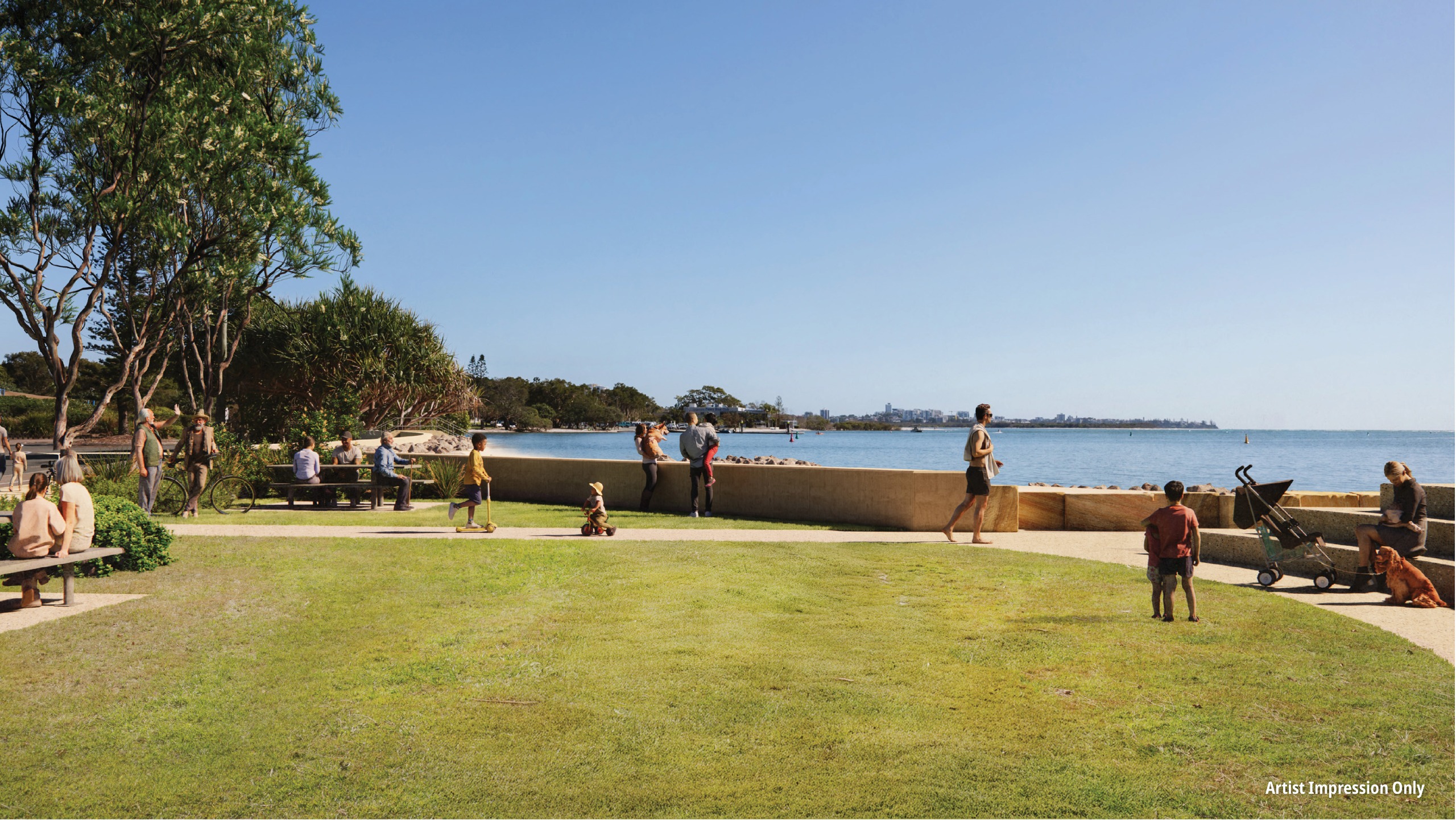
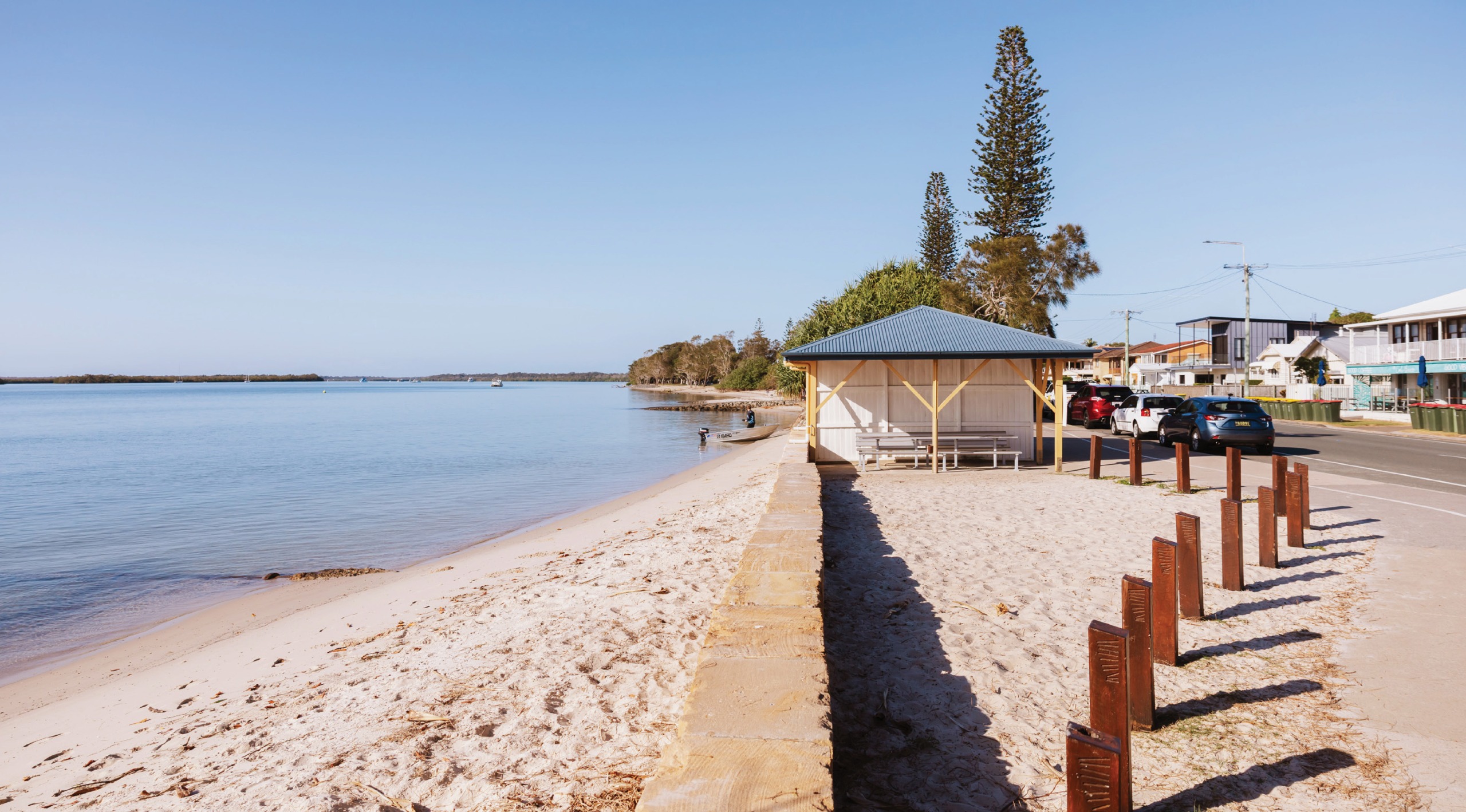
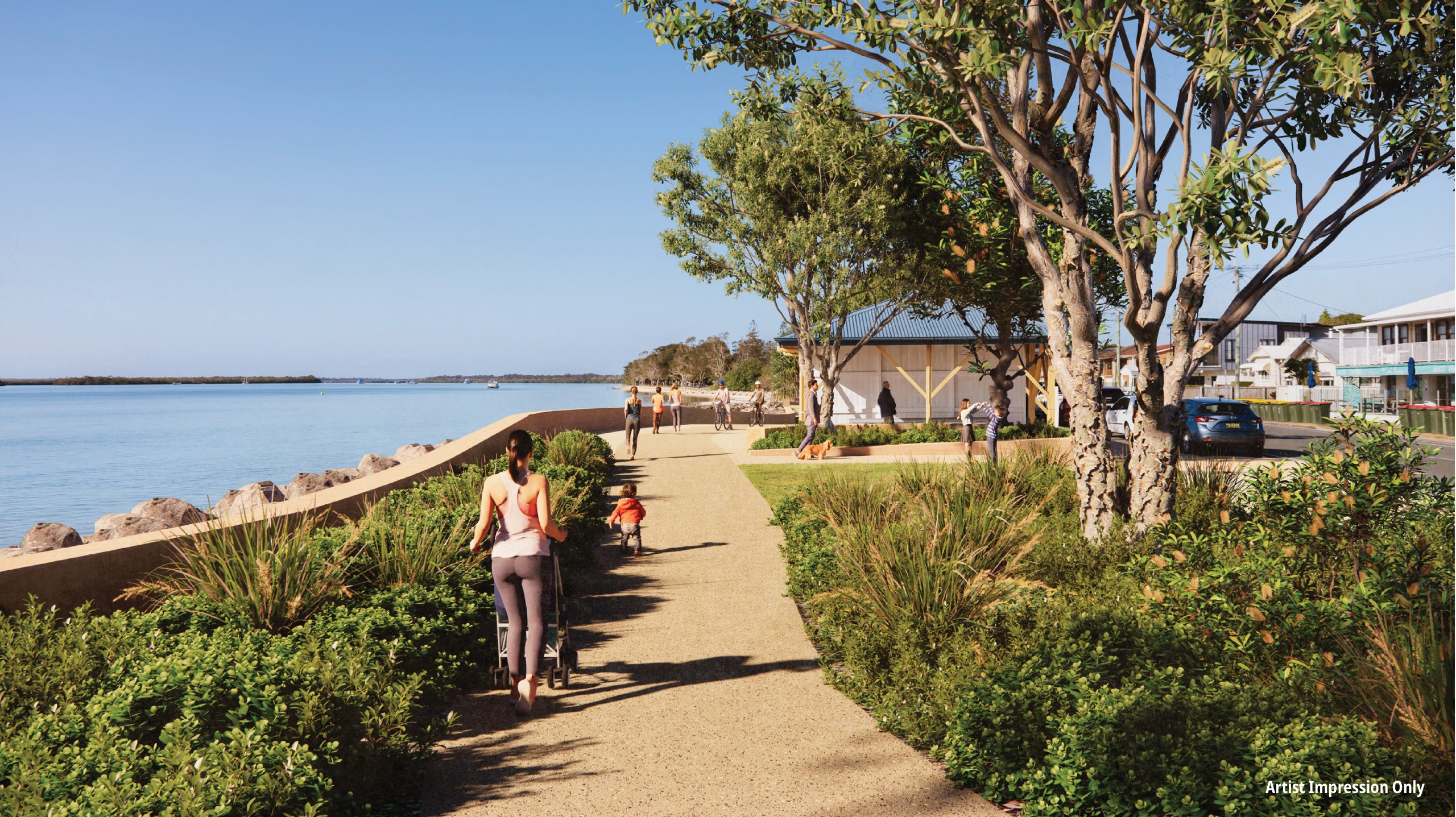
See how the area could change

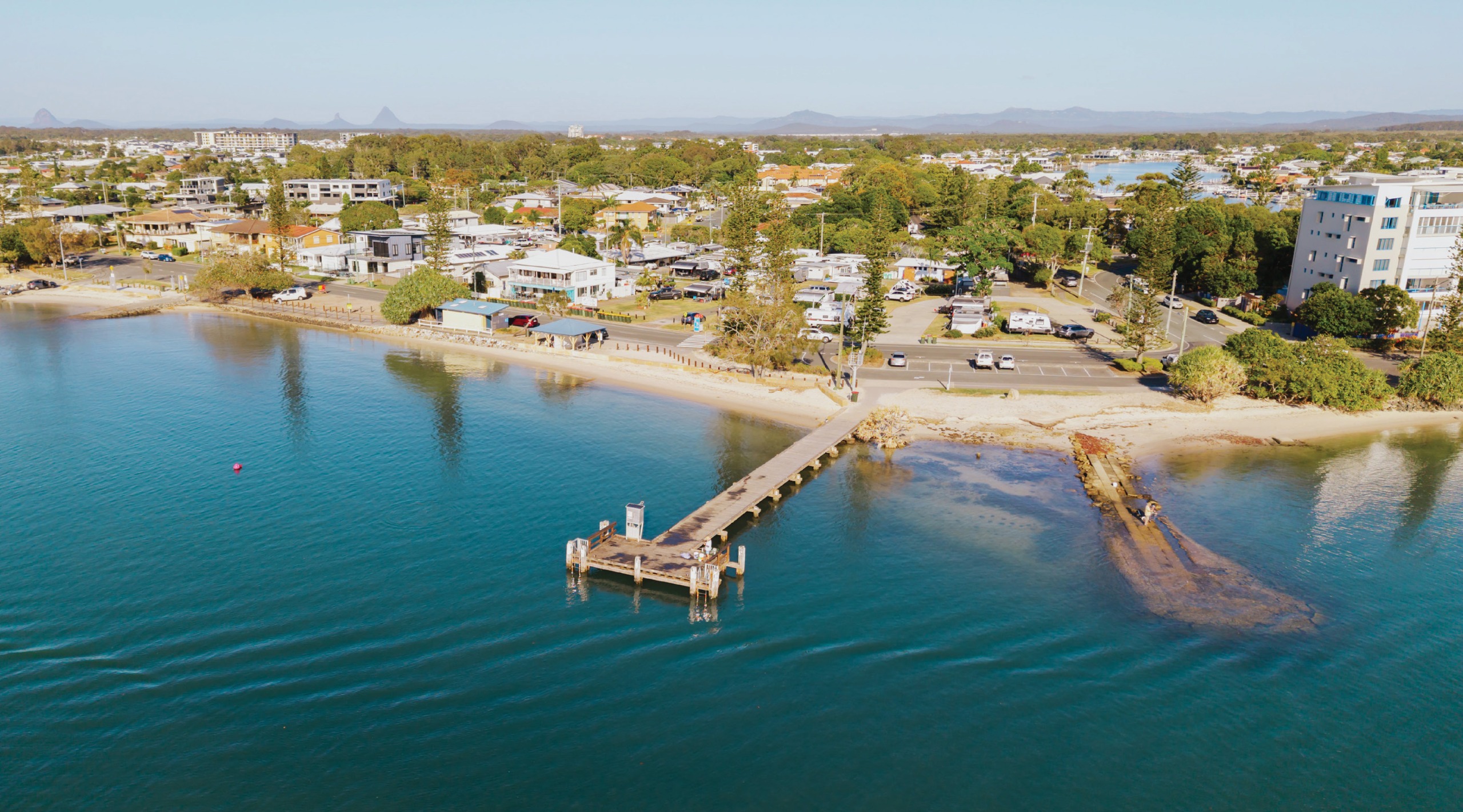
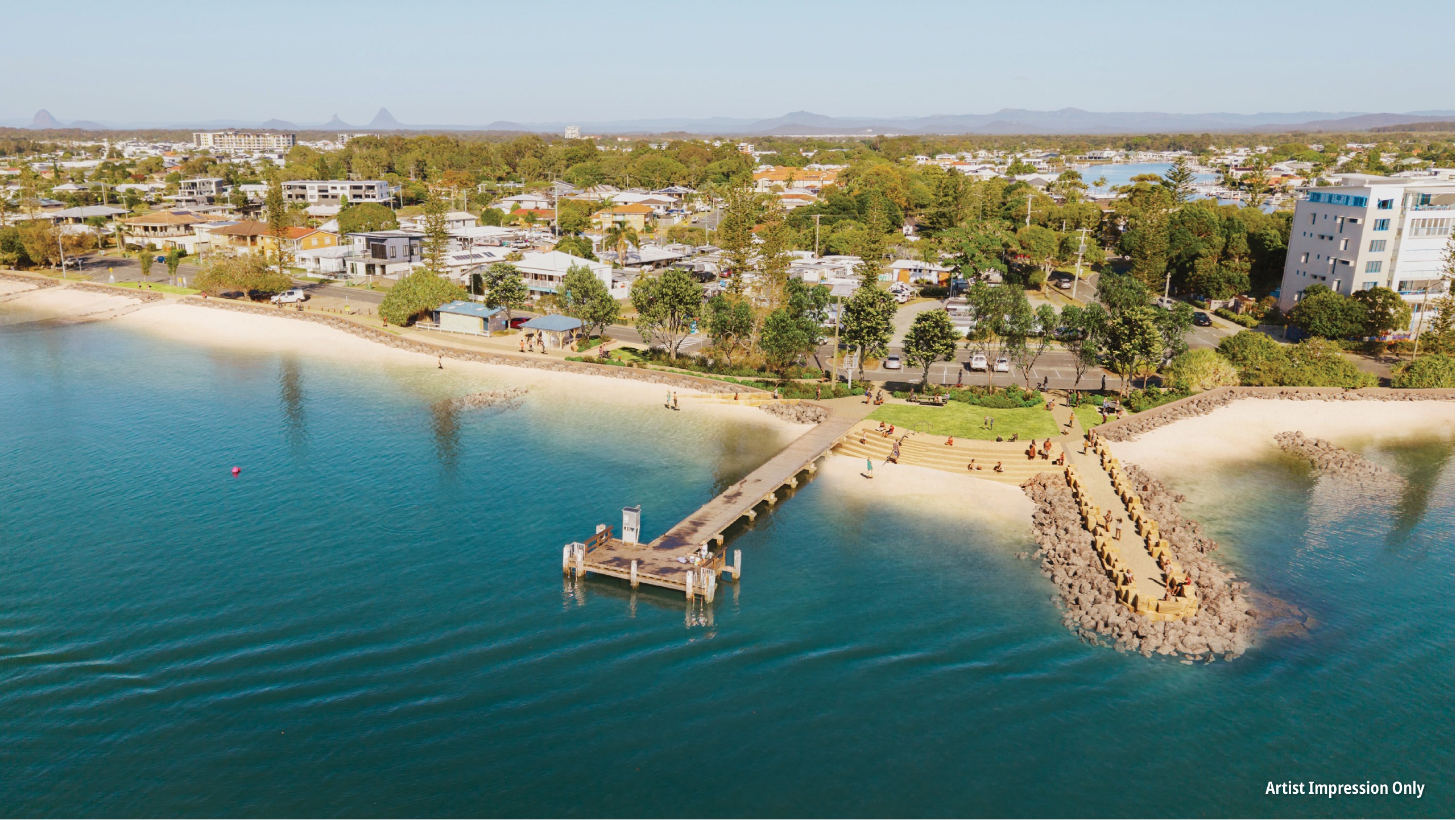
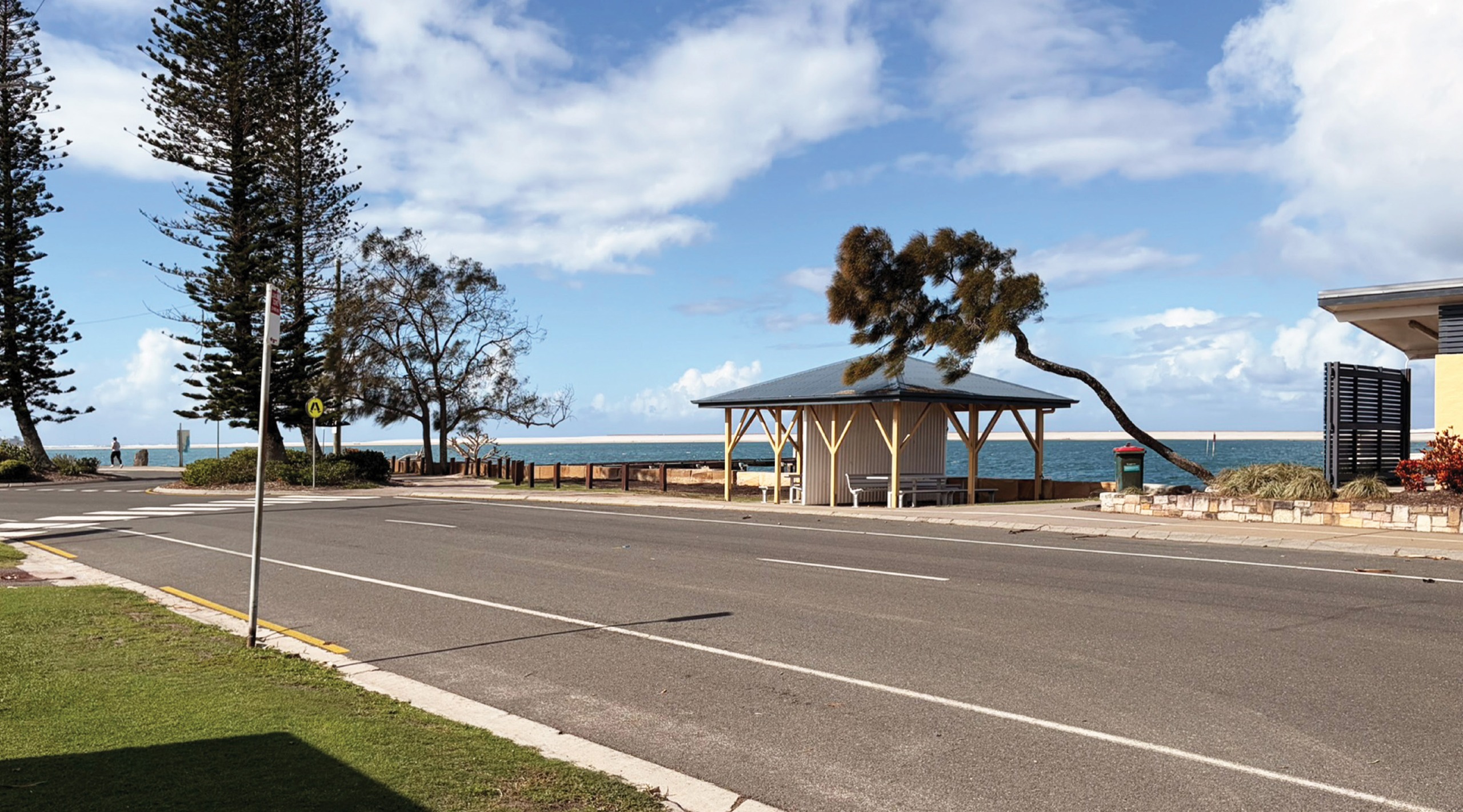
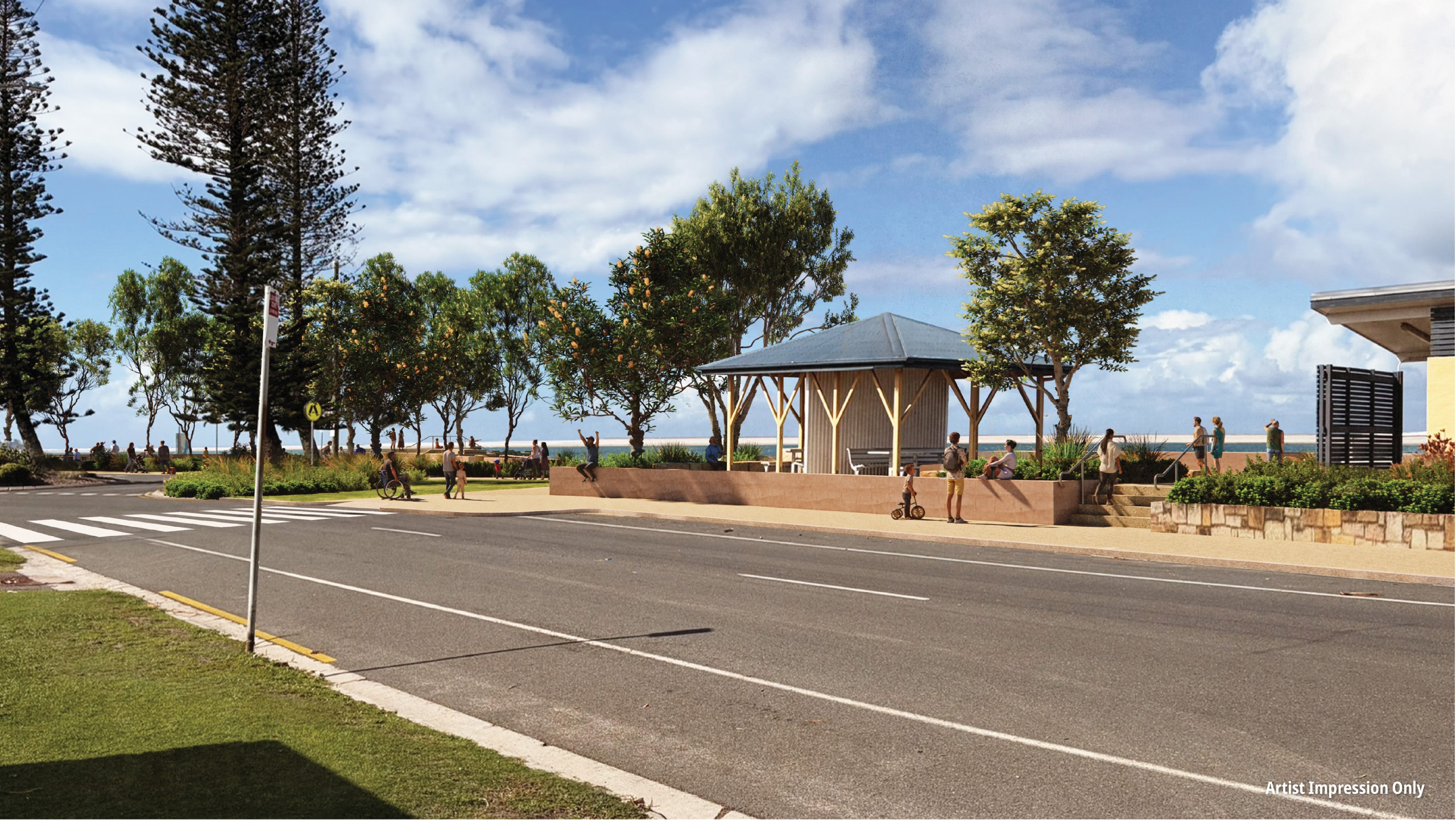
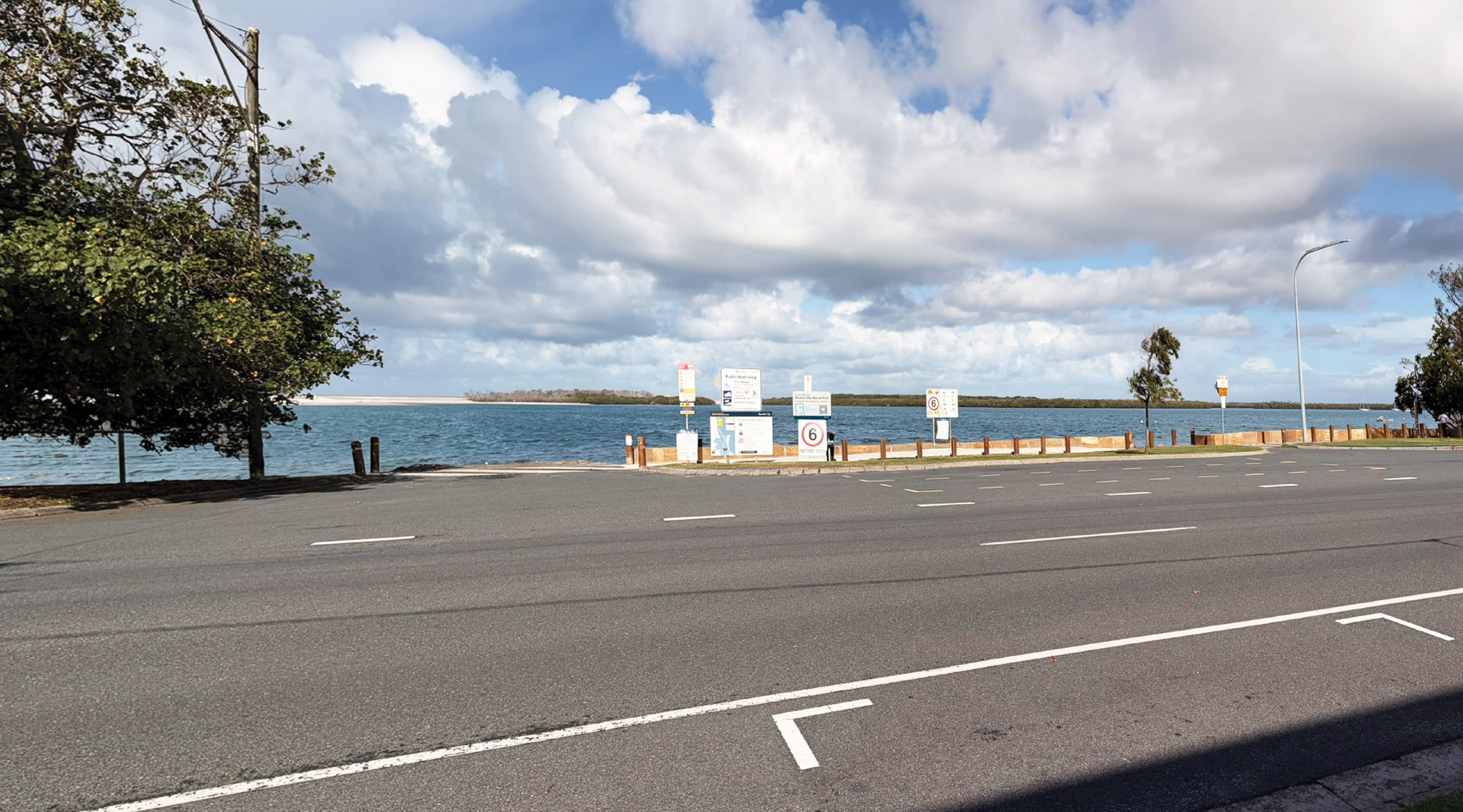
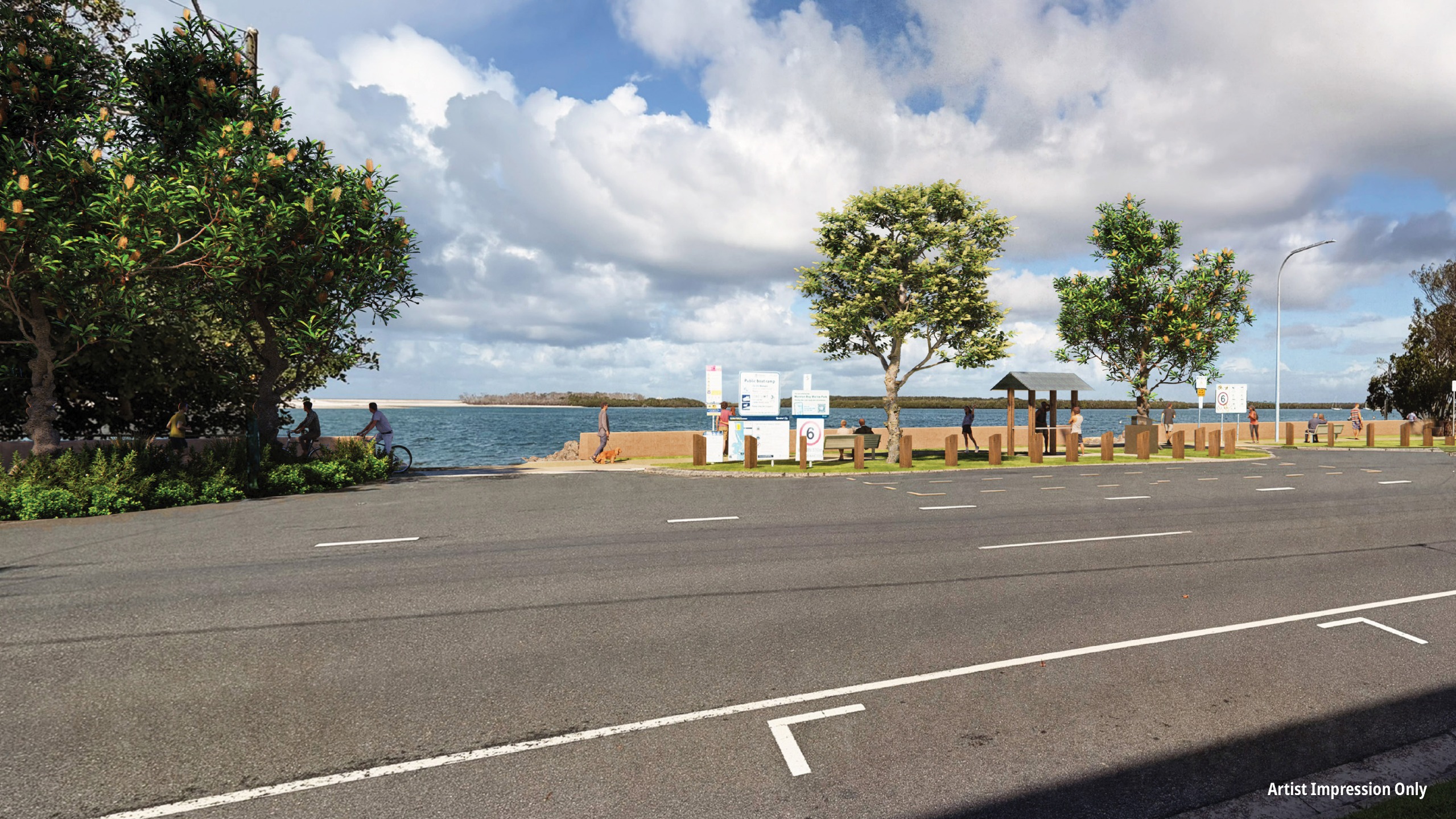
The images below show current conditions alongside artist impressions of how the foreshore is proposed to look once the works are complete. Click on the arrows to slide back and forth between the images.

These images are indicative and are intended to help visualise the look and feel of the future space. Some details may change as the design progresses, but the images reflect the overall design intent.

Proposed improvements from the refurbished rock groin to the south boat ramp

Current: This image shows current conditions from the refurbished rock groin to the south boat ramp. Proposed : This shows an artist impression of how the area could look from the refurbished rock groin to the south boat ramp.

Proposed improvements to the park space between the refurbished rock groin and the Military Jetty

Current: This is a current image of the park space between the refurbished rock groin and the Military Jetty. Proposed: This is an artis impression of proposed improvements to the park space between the refurbished rock groin and the Military Jetty.

Looking south to the proposed improvements to the picnic shelter area at Military Jetty

Current: This is a current image looking south to the picnic shelter area at Military Jetty. Proposed: This is an artist impression looking south to the proposed improvements to the picnic shelter area at Military Jetty.

View from Military Jetty Caravan Park to the proposed improvements at the picnic shelter and park area at Military Jetty

Current: This is a current image from Military Jetty Caravan Park to the picnic shelter and park area at Military Jetty. Proposed

View from the Esplanade to the proposed improvements at the boat ramps

Current: This is a current image of the view from the Esplanade to the boat ramps. Proposed : This is an artist impression of the view from the Esplanade to the proposed improvements at the boat ramps.

Now that you’ve explored the design, provide your feedback through the quick poll.

Provide your feedback

Council is committed to protecting your personal information in accordance with the Information Privacy Act 2009 (Qld) and the Queensland Privacy Principles.

The information this survey collects is to help Council understand the diversity of community views on the Diamond Head Seawall and Foreshore Improvements project.

Your participation in this survey is voluntary. However, if you choose not to participate, it may limit Council’s ability to fully understand the diversity of community feedback.

Your personal information and feedback will be:

  • Used for the primary purpose of understanding community views on the Diamond Head Seawall and Foreshore Improvements project
  • Managed in accordance with the privacy principles under the Information Privacy Act 2009 (Qld)
  • Deidentified before being included in any public community engagement reports or summaries
  • Used to update you on what we heard through the community engagement process and to provide ongoing project updates as the project progresses.

If you have provided your personal information but no longer wish to receive communication about this project, please email: engage@sunshinecoast.qld.gov.au.

Council will be using third parties to assist in the assessment of your feedback, including:

  • Artificial Intelligence to analyse, summarise and classify submissions by theme and sentiment to support the efficient review of all submissions made to Council.

Your personal information may be stored by third party providers in accordance with Council’s procurement agreements and in accordance with the Information Privacy Act 2009 (Qld) and the Public Records Act (2023).

Council’s Privacy Policy explains how you can request access to, or correction of, your personal information. It also explains how you can make a complaint if you believe Council has breached its privacy obligations and how privacy complaints are managed.

For more information and to view Council’s Privacy Policy, please refer to: scc.qld.gov.au/privacy.